
St. Pete Beach, FL, is a dream destination for couples, families, business people, and solo travelers looking to relax by the coast. With more people choosing vacation rentals over traditional hotels, it’s easier than ever to find a place that feels like home. But while short-term rentals offer more space, privacy, and flexibility, they also come with risks, especially when rental scams are getting harder to spot.
Before you book, take a few smart steps to make sure the rental is real, the host is trustworthy, and your vacation plans are safe from fraud.
Here are five smart steps to verify if a vacation rental is legit before booking.
Key Takeaways
✔ Always verify a listing’s photos, address, and reviews before booking.
✔ Research the host’s identity and avoid anyone who pressures for fast payment.
✔ Use trusted booking platforms that offer secure payment and guest protection.
✔ Public records and local business directories help confirm property legitimacy.
✔ Beware of last-minute deals and listings that seem too good to be true.
✔ Spot fake reviews by looking for vague language, review clusters, or mismatched details.
✔ Working with professionals reduces risk and ensures the rental is truly legitimate.
5 Steps to Verify Vacation Rental Legitimacy
1. Research the Listing Thoroughly
Some vacation rental listings look flawless at first glance, but surface-level trust can lead to major problems. Scammers often copy real listings or use fake details to lure in guests. Taking a few extra minutes to research can make all the difference between a smooth stay and a costly mistake.
How to Research the Listing
- Check Photos Using Reverse Image Search: Scammers often steal photos from real rental sites to make a fake property look convincing. A quick reverse image search can show if those same pictures are used on unrelated websites.
- Look Up the Property on Multiple Platforms: A legitimate listing will often appear on more than one vacation rental site with matching information. Big differences in pricing, photos, or host names can be a sign of trouble and raise questions about how to check if a rental property is legit.
- Read Through Reviews Carefully: Verified reviews usually include specific details like names of local restaurants, tips about the neighborhood, or host communication. If reviews are vague or there are none at all, it’s smart to question if a vacation rental is legitimate.
2. Validate the Host or Property Manager
A good listing means little if the person behind it isn’t trustworthy. Scammers often hide behind fake names, phony contact details, or pushy sales tactics. Verifying the host’s identity helps prevent falling into traps set by people who know exactly how do rental scams work.
How to Confirm the Host’s Legitimacy
- Look for a Consistent Online Presence: A real host or manager will often have a business website, social media profiles, or other listings under the same name. If nothing shows up—or worse, the name links to scam alerts—it’s time to rethink the booking.
- Ask Specific Questions About the Property: Real hosts should have no problem answering questions about check-in times, amenities, or the neighborhood. Evasive or rushed answers could be signs of someone trying to hide something, and learning how to catch a rental scammer starts with trusting those instincts.
- Watch for Pressure Tactics or Unusual Requests: Scammers love to create urgency, like claiming the property is in high demand or offering a special price for immediate payment. Real hosts allow time for questions and use secure booking channels, not backdoor deals through apps or email.
3. Examine the Booking Platform
Even the best-looking listing can be a scam if it’s hosted on a sketchy site. Not all vacation rental platforms offer the same protections, and knowing which vacation rental websites to avoid can save time, money, and stress.
How to Spot a Risky Platform
- Look for Basic Site Security: Legitimate websites use secure connections—shown by a padlock in the browser and a URL that begins with “https.” If the site lacks this, or feels poorly designed or outdated, that’s a serious red flag and a clue in how to check if a rental property is legit.
- Avoid Sites That Require Direct Payment Transfers: Reputable platforms handle payments securely, often holding funds until check-in. If a site asks for wire transfers or payment via cash apps, it’s time to question how do rental scams work and why that method is being pushed.
- Read the Platform’s Review and Refund Policy: Some sites don’t screen hosts or protect guests with guarantees. Understanding the platform’s rules helps gain knowledge on how to know if a vacation rental is legitimate and what protections are in place if something goes wrong.
4. Verify the Property Through Local and Public Resources
Public records and local directories can help confirm whether a vacation rental is real and legally operated. These tools are especially helpful for spotting fake listings with real-looking addresses or hosts.
How to Use Local Tools for Verification
- Search the Address in County Property Records: Most counties offer online property lookups that show who owns a given address. If the owner doesn’t match the host name, or if the property is listed as commercial instead of residential, something may be off.
- Contact the Local Chamber or Tourism Office: Many vacation rentals must be registered or licensed in cities like St. Pete Beach. These offices can confirm whether a rental operates legally, helping travelers find vacation rental websites to avoid that feature unverified listings.
- Check for Local Business Listings: A legitimate host or rental manager often appears on Google Business, Yelp, or BBB directories. If nothing turns up, it’s worth digging deeper before trusting the listing.
5. Trust Instincts and Look for Warning Signs
Sometimes the biggest red flags don’t come from what’s shown—but what’s missing. Scammers often use urgency, silence, or overly polished listings to get people to ignore their gut. Being alert to these warning signs is key in understanding how to catch a rental scammer before money changes hands.
How to Recognize Red Flags
- Be Cautious of Prices That Seem Too Good to Be True: A property with luxury photos and rock-bottom rates should raise questions. While deals exist, those who know how do rental scams work often bait guests with offers that sound better than reality.
- Look for Gaps in Communication: If the host avoids direct questions, doesn’t answer calls, or refuses to speak outside of messaging apps, that’s a concern. Clear, open communication is part of knowing how to know if a vacation rental is legitimate.
- Watch for Missing Details in the Listing: Legitimate rentals typically include rules, cancellation policies, and check-in instructions. If those are missing—or only shared after booking—it’s worth questioning how to check if a rental property is legit before it’s too late.

How Rental Scams Target Businesses and Families
In 2023, Americans reported a record $10 billion stolen due to scams—a stark reminder of how fraud is evolving. That’s why knowing how to check if a rental property is legit is critical when employee safety and company funds are on the line.
1. Targeting HR and Office Managers with Fake Listings
Scammers often post luxury-looking rentals at discounted rates to appeal to HR reps booking housing for new hires or relocations. These listings may include real addresses but fake contact details, making it difficult to trace. That’s why renters must learn how to know if a vacation rental is legitimate before transferring funds or confirming a stay.
2. Using Business Keywords to Build Trust
Fake listings may include terms like “corporate ready,” “executive suite,” or “business traveler approved” to sound more professional. These descriptions are designed to lower suspicion and move deals along quickly. It’s a subtle tactic, but one that proves how do rental scams work when targeting organizations.
3. Demanding Full Payment Outside Secure Channels
Fraudsters may request wire transfers, prepaid cards, or payment apps instead of using trusted platforms. Businesses and families—especially under deadline pressure—may fall for this when they think a good deal will disappear. Understanding how to catch a rental scammer often starts with refusing to pay outside secure systems.
4. Spoofing Well-Known Brands and Platforms
Some scammers clone real vacation rental sites or use similar-looking domain names to trick busy employees and families. These sites may look official but lack basic security features or customer service channels. That’s why knowing which vacation rental websites to avoid can prevent costly mistakes.
5. Impersonating Property Management Companies
Scammers may pose as legitimate companies with fake email domains and business cards to fool businesses and families into trusting them. They often go as far as creating fake LinkedIn profiles or using forged lease documents. Verifying credentials is a key part of how to check if a rental property is legit for corporate use.
6. Exploiting Last-Minute Booking Needs
When relocation plans change suddenly, scammers know renters may rush to book without vetting listings. These last-minute deals are often bait for businesses and families who don’t take time to confirm property records or host details. Professional relocation partners can help prevent these scenarios and teach teams how to know if a vacation rental is legitimate.
How to Spot Red Flags in Vacation Rental Websites
The beach tourism market has grown significantly in recent years, rising from $240.03 billion in 2024 to a projected $256.85 billion in 2025. But with this surge in travel comes a rise in deceptive rental platforms—some of which are designed to mislead from the start. As more individuals book vacation rentals, spotting red flags early has become essential to knowing how to check if a rental property is legit before any money changes hands.
1. No Secure Payment System or Buyer Protection
Websites that ask for direct bank transfers, cash app payments, or cryptocurrency should be avoided immediately. Reputable platforms offer secure, trackable payment systems that include refund policies and dispute resolution. Learning how to catch a rental scammer starts with choosing sites that protect both the guest and the transaction.
2. No Verified Reviews or Guest Feedback
If a site shows listings with little to no reviews—or if the reviews sound vague and generic—it’s time to be cautious. Verified platforms only allow guests who’ve actually stayed at a property to leave feedback. That transparency is critical when determining how to know if a vacation rental is legitimate.
3. Missing Contact Information or Support
A legitimate vacation rental site should have a physical address, phone number, and active customer support. If there’s no way to reach anyone in case of a problem, that’s a serious issue. One of the easiest ways to understand how do rental scams work is by noting how scammers hide behind weak or nonexistent support.
4. No Listing Verification Process
Sites that let anyone post a listing without verifying ownership or identity pose a major risk. Professional platforms conduct background checks or require official documentation from hosts. When wondering how to check if a rental property is legit, knowing the platform screens listings is a major advantage.
5. Overly Polished or Too-Good-to-Be-True Listings
Scam sites often use high-end images and attractive descriptions that don’t match reality. These listings might promise ocean views, luxury furnishings, or unbeatable rates with no real proof. This is a common sign for both travelers and businesses learning how to catch a rental scammer before committing funds.
6. No Clear Cancellation or Refund Policy
Legit rental websites clearly state their cancellation terms and what happens in the case of a no-show or problem with the property. If a site is vague about refunds—or doesn’t mention them at all—it should raise immediate concerns. Working with professionals who know which vacation rental websites to avoid helps protect travelers from costly errors.
How to Spot Fake Reviews on Vacation Rental Sites
Online reviews play a big role in helping travelers decide where to book extended stays or relocation housing. But not all reviews are honest—some are written by scammers or even paid bots to make fake listings seem legitimate. Knowing how to catch a rental scammer often comes down to spotting the warning signs hidden in the review section.
1. Too Many Reviews Posted in a Short Time
A sudden cluster of five-star reviews posted within days or weeks can be suspicious. Real guests leave feedback over time, not all at once. This pattern is a common trick used by scammers who understand how do rental scams work and want to make a new listing look trusted fast.
2. Generic Language With No Details
Reviews that say things like “Great place!” or “Highly recommend!” without mentioning anything specific should raise eyebrows. Authentic reviews often include comments about the host, neighborhood, or small details like check-in instructions. Learning how to know if a vacation rental is legitimate starts with identifying which reviews sound real and which don’t.
3. Lack of Verified Guest Badges
Legit platforms often label reviews from guests who actually stayed at the property. If a site doesn’t verify who leaves reviews—or if none of the posts show as verified—it’s harder to trust the listing.
4. Overly Defensive or Scripted Host Replies
If a host responds to every review with the same message or seems quick to argue with any criticism, that’s a red flag. Honest hosts welcome feedback and usually speak in a friendly, personal tone. Repeated copy-paste replies may signal fake activity.
5. No Negative Feedback Anywhere
Even the best properties have a mix of reviews—minor complaints about parking, noise, or Wi-Fi are normal. If every review is glowing with no mention of any downsides, it may have been filtered or faked. Travelers trying to figure out how to know if a vacation rental is legitimate should expect to see a few imperfections.
6. Mismatch Between Reviews and Listing Details
Sometimes fake reviews are copied from other properties and pasted into unrelated listings. If reviewers mention features that aren’t shown in the photos or described in the post, something is off. Professionals who know how to check if a rental property is legit will always compare the review content with what’s actually offered.

Frequently Asked Questions (FAQs)
What’s the safest way for a business to book a vacation rental for employees?
The safest way is to use established booking platforms that offer secure payment systems, verified listings, and clear cancellation policies. Businesses should work with relocation specialists or licensed brokers who understand how to check if a rental property is legit. This helps protect employees from potential fraud and ensures a professional level of oversight.
Can vacation rental scams happen through social media ads?
Yes, scammers often promote fake rentals through Facebook Marketplace, Instagram ads, or other social platforms. These listings may look real but often lead to direct payment requests and vanish once money is sent. Understanding how to catch a rental scammer means staying cautious when booking outside of trusted vacation rental websites.
Are rental scams common with monthly or extended stays?
Scammers frequently target long-term and extended-stay bookings because they involve larger upfront payments. Businesses booking corporate housing should be especially alert, as knowing how do rental scams work in these cases can prevent serious financial loss. Always verify the rental agreement and host identity before committing.
What are some signs of a fake rental agreement?
Fake rental agreements often lack full legal names, contain vague or inconsistent terms, and may avoid including cancellation or refund details. Documents with pressure to sign quickly or send deposits immediately are common in scams. These are all clues in how to know if a vacation rental is legitimate or not.
Should businesses avoid new listings with no reviews?
Not always—but caution is needed. New listings with no reviews should be backed by strong host communication, proper verification, and a secure platform. When in doubt, businesses should rely on professionals who know how to check if a rental property is legit and how to catch a rental scammer before damage is done.
Book Isla Bliss in St. Pete Beach for a Trusted, Stress-Free Stay!
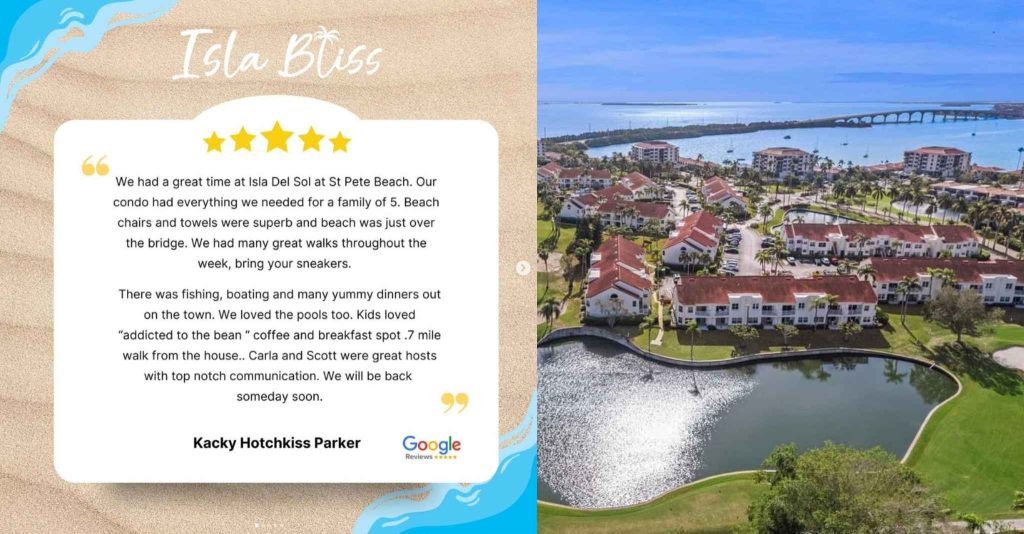
Enjoy peace of mind when booking Isla Bliss, a professionally managed vacation rental in the heart of St. Pete Beach, FL. Whether coordinating a business trip, relocation stay, or extended getaway, Isla Bliss offers everything individuals or families need for comfort, convenience, and security. No hidden hosts, no sketchy listings—just a verified property with a track record of excellence.
Skip the stress of wondering how to check if a rental property is legit and book your stay with confidence at Isla Bliss today.