
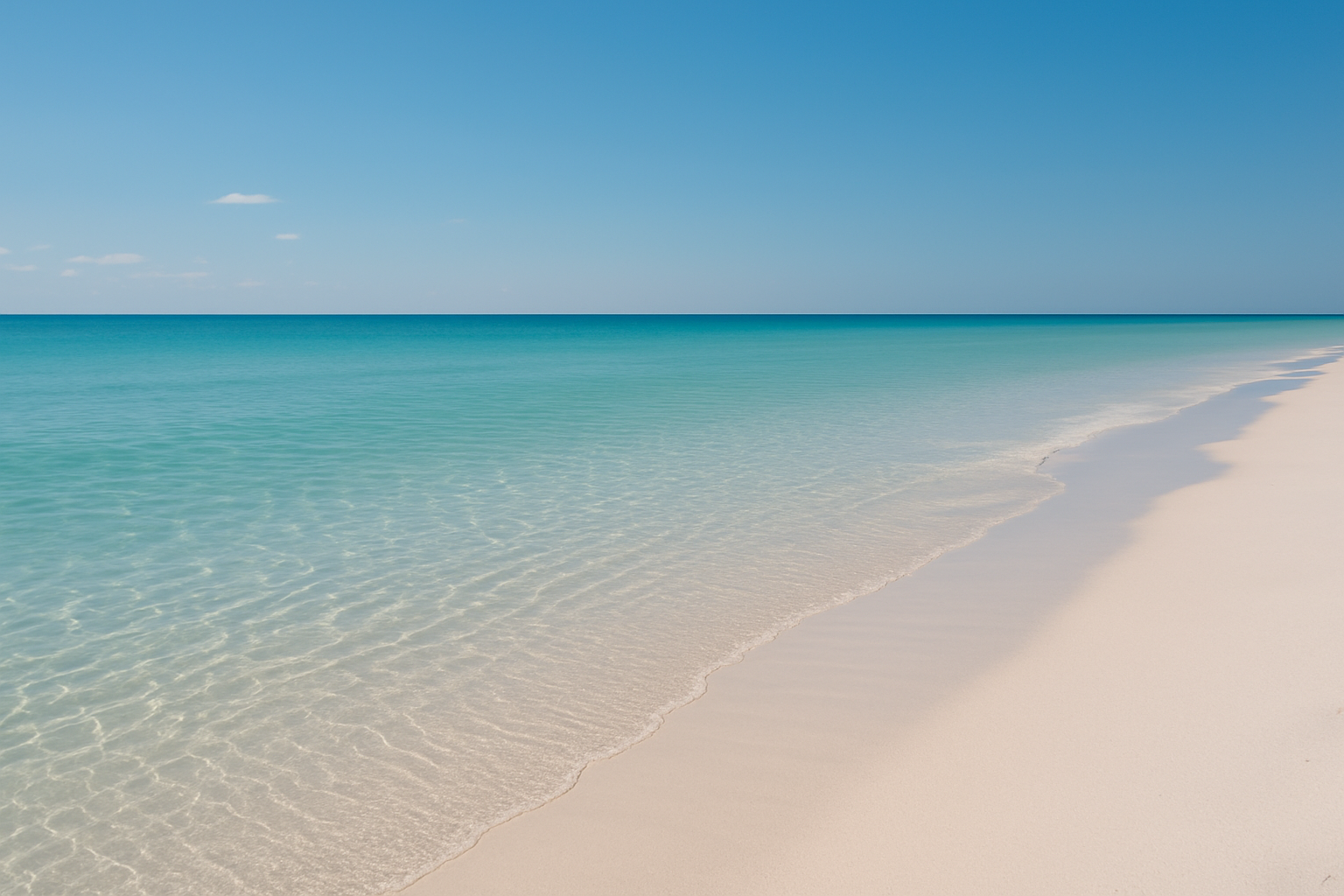
Looking for the best Florida beach for calm water swimming? The Gulf Coast is your answer. The shallow shelf geography along Florida’s west coast naturally buffers wave action. This keeps surface conditions glassy even on moderately breezy days. Siesta Beach, Caladesi Island, and the St. Pete Beach area consistently earn top marks for both water clarity and swimmer-friendly conditions.
Table of Contents
- Why the Gulf Coast Dominates for Calm Water Swimming
- Top Florida Beaches for Calm Water Swimming
- Water Quality: What the Data Actually Shows
- What to Look for Before You Swim
- Things to Know
- Book Your St. Pete Beach Base Camp Now
- Frequently Asked Questions
Key Takeaways
- Gulf Coast beaches have consistently calmer, warmer water than Florida’s Atlantic Coast due to the shallow continental shelf.
- Tripadvisor’s 2025 ranking placed Siesta Beach at No. 1 in Florida, with its powdery quartz sand and gentle surf.
- USA Today readers voted Delray Beach the No. 1 Florida beach in 2024, 2025, and 2026, though it sits on the Atlantic side with more wave action.
- According to Environment America Research & Policy Center’s 2024 analysis, 58% of tested Florida beaches experienced unsafe fecal contamination levels on at least one testing day — always verify current water quality with the Florida Department of Health before swimming.
- Isla del Sol, near St. Pete Beach, positions you within five minutes of some of the Gulf Coast’s calmest swimming conditions.
- Rankings and water quality data reflect historical patterns; conditions change rapidly and should be checked at the time of your visit.
Why the Gulf Coast Dominates for Calm Water Swimming
Florida has two coastlines, and they behave very differently in the water. The Gulf Coast tends to have calmer, warmer water. The Atlantic Coast experiences more wave action. This geographic reality stems from the Gulf of Mexico’s relatively enclosed basin and its wide, shallow continental shelf.
That shelf dissipates wave energy before it reaches the shoreline. Therefore, a family with young kids gravitates west. A swimmer who prefers predictable conditions almost always chooses Gulf beaches.
The Atlantic side has its own appeal. USA Today readers voted Delray Beach the No. 1 Florida beach in 2024, 2025, and 2026. Additionally, a beach.com study analyzing five years of satellite data ranked Delray Public Beach first in the Southeast for both water clarity and color.
However, clarity and calm are not the same thing. On the Atlantic, you can have beautifully clear water that still carries a consistent shore break. This changes the experience for swimmers who want smooth, low-resistance conditions.
Top Florida Beaches for Calm Water Swimming
Here is a breakdown of the leading Gulf Coast beaches by what actually matters to swimmers:
| Beach | Location | Known For | Wave Level |
|---|---|---|---|
| Siesta Beach | Sarasota | Quartz sand, clarity | Very low |
| Caladesi Island | Dunedin | Isolation, clear water | Low |
| St. Pete Beach | Pinellas County | Accessibility, soft sand | Low to moderate |
| Fort De Soto Park | Tierra Verde | Shallow flats, wildlife | Very low |
| Honeymoon Island | Dunedin | Shelling, calm bay side | Very low |
Siesta Beach (Sarasota) for Calm Water Swimming: Tripadvisor’s 2025 ranking placed Siesta Beach at No. 1 in Florida. The beach sits on Siesta Key, a barrier island where the Gulf shelf is particularly wide. As a result, the water displays some of the flattest conditions in the state. The sand is composed of nearly pure quartz. It stays cool underfoot and reflects light in a way that makes the water appear even more vivid.
Caladesi Island State Park (Dunedin) for Best Calm Water Swimming: Accessible only by ferry or kayak, Caladesi rewards the effort with remote, uncrowded conditions. The water tends to be clear and unhurried. Furthermore, it is consistently cited in resources like U.S. News Travel’s rankings as one of Florida’s elite swimming destinations.
St. Pete Beach and the Pinellas Coast for Calm Water Swimming: St. Pete Beach sits within Pinellas County’s chain of barrier islands. The Gulf here is shallow far from shore. Wave action is typically minimal, and the sand is fine and white. If you are looking for the best Florida beach for calm water swimming with easy access to dining, gear rentals, and family infrastructure, this stretch is hard to beat. For context on why this area is particularly well-positioned, read why stay in Isla del Sol near St. Pete Beach — the combination of location, calm water, and neighborhood character makes it a strong choice.
Fort De Soto Park (Tierra Verde) for Calm Water Swimming: Fort De Soto’s North Beach is one of the most underrated calm-water swims in the state. The flats here are exceptionally shallow and protected. Therefore, families with toddlers choose this location frequently.
Water Quality: What the Data Actually Shows
Calm water is only half the equation. According to the Environment America Research & Policy Center’s 2024 analysis, 58% of tested Florida beaches experienced unsafe levels of fecal contamination on at least one testing day. Across all tested Gulf Coast beaches, about 84% saw potentially unsafe levels on at least one testing day. However, Florida’s Gulf shores performed below that regional average.
These numbers are not meant to alarm — they reflect worst-case single-day incidents across an entire season. They do not indicate chronic conditions. Moreover, according to Safe to Swim Florida’s 2026 guide, beach water quality varies significantly by location, season, and recent rainfall.
The Florida Department of Health (FDOH) posts real-time beach water quality data through its Healthy Beaches Program. Checking that resource before any swim is the most reliable step you can take.
What to Look for Before You Swim
Beyond rankings, several real-time factors determine whether any given day at any given beach is suitable for calm swimming:
- Wind direction and speed: Onshore winds push chop toward the beach. Additionally, Gulf beaches oriented to face southwest experience better protection on many days.
- Tide stage: Incoming tides on the Gulf tend to produce flatter, warmer water near shore. In contrast, outgoing tides can stir sediment.
- Recent rainfall: Heavy rain within the previous 48 hours can temporarily elevate bacteria levels. These increase occur near storm drains and inlets.
- Posted flags: Florida uses a standardized colored flag system. A red flag means high hazard conditions. A purple flag indicates dangerous marine life. Never swim under a double red.
- Seasonal algae: Red tide and blue-green algae blooms occur primarily in late summer and early fall on the Gulf side. FDOH maintains a current bloom tracker.
Things to Know
- Florida received a record-breaking 142 million visitors in 2024, according to Visit Florida. Popular beaches, especially Siesta Beach and St. Pete Beach, fill up fast in peak season. Arriving before 9 a.m. makes a significant difference.
- Gulf water temperatures run warmer than Atlantic temperatures for most of the year. Therefore, year-round swimming is more comfortable on the west coast.
- Not all calm beaches are safe for inexperienced swimmers. Rip currents can form even in low-wave environments. These form particularly near jetties, inlets, and sandbars.
- Parking at top-rated beaches can be scarce and expensive. Moreover, staying close to the coast in a self-catering rental is often more practical than driving in daily.
- Water quality rankings are based on historical data. Always check the FDOH Healthy Beaches Program for current conditions before swimming.
Book Your St. Pete Beach Base Camp Now
If calm water swimming along the Gulf Coast is your priority, position yourself near St. Pete Beach. You’ll be within easy reach of some of the best conditions in Florida. Isla Bliss manages three 2BR/2BA units at Vista Verde East on Isla del Sol. Each unit accommodates up to six guests and sits about five minutes by car from St. Pete Beach. The Isla del Sol vacation rentals quiet getaway experience suits families, snowbirds, and friend groups. These visitors want to be close to the water without the noise of a heavily commercial strip.
Units come with a shared community pool and hot tub. Additionally, each property includes a beach gear package with chairs, towels, and umbrellas. If you’re visiting during the spring, the Tampa Bay Rays spring training where to stay in St. Pete Beach resource is worth a read for timing and logistics. For stays that prioritize outdoor space, the St. Pete Beach vacation rentals with private pool page covers your options in more detail.
Check availability now and secure your unit before the season fills up. Dates go quickly, and these properties book direct.
Frequently Asked Questions
Q: Which Florida beach has the calmest water for swimming?
A: Siesta Beach in Sarasota and Fort De Soto Park near Tierra Verde consistently offer the calmest Gulf water in Florida. Both sit on the Gulf Coast where the shallow continental shelf minimizes wave energy. Fort De Soto’s North Beach is especially shallow and protected. Therefore, it suits even very young children. Caladesi Island is another top contender when conditions allow for the ferry trip.
Q: Is Gulf Coast water safer to swim in than Atlantic Coast water?
A: Gulf Coast beaches generally have lower wave risk. However, water safety depends on current quality readings, not just wave height. According to the Environment America Research & Policy Center’s 2024 analysis, about 84% of all tested Gulf Coast beaches saw potentially unsafe contamination levels on at least one testing day. Florida’s Gulf beaches performed better than the regional average. Nevertheless, checking the FDOH Healthy Beaches Program before swimming is always the right step.
Q: What time of year is best for calm water swimming in Florida?
A: Late spring through early summer, roughly April through June, tends to offer the most consistently calm and clear Gulf water. Summer brings warmer water but also increased risk of afternoon thunderstorms. Furthermore, potential red tide events occur later in the season. Winter months can be calm but cooler, especially for families hoping to spend extended time in the water.
Q: How do I check Florida beach water quality before swimming?
A: The Florida Department of Health’s Healthy Beaches Program posts real-time water quality data at floridahealth.gov. You can search by county or beach name to find recent bacterial test results. Additionally, many county health departments issue advisories via their websites and social media accounts. This check takes two minutes and is the most reliable way to confirm conditions on the day of your visit.
Q: Are there calm water beaches near St. Pete Beach that are good for families?
A: Yes — St. Pete Beach, Fort De Soto Park, and Pass-a-Grille Beach are all within a short drive and suitable for family swimming. According to Beautiful World Travel Guide’s list of top Florida swimming beaches, the Pinellas County coastline ranks among the most accessible and family-appropriate in the state. Shallow Gulf water, minimal wave action, and good public amenities make this stretch of coast a practical choice for groups traveling with kids.