
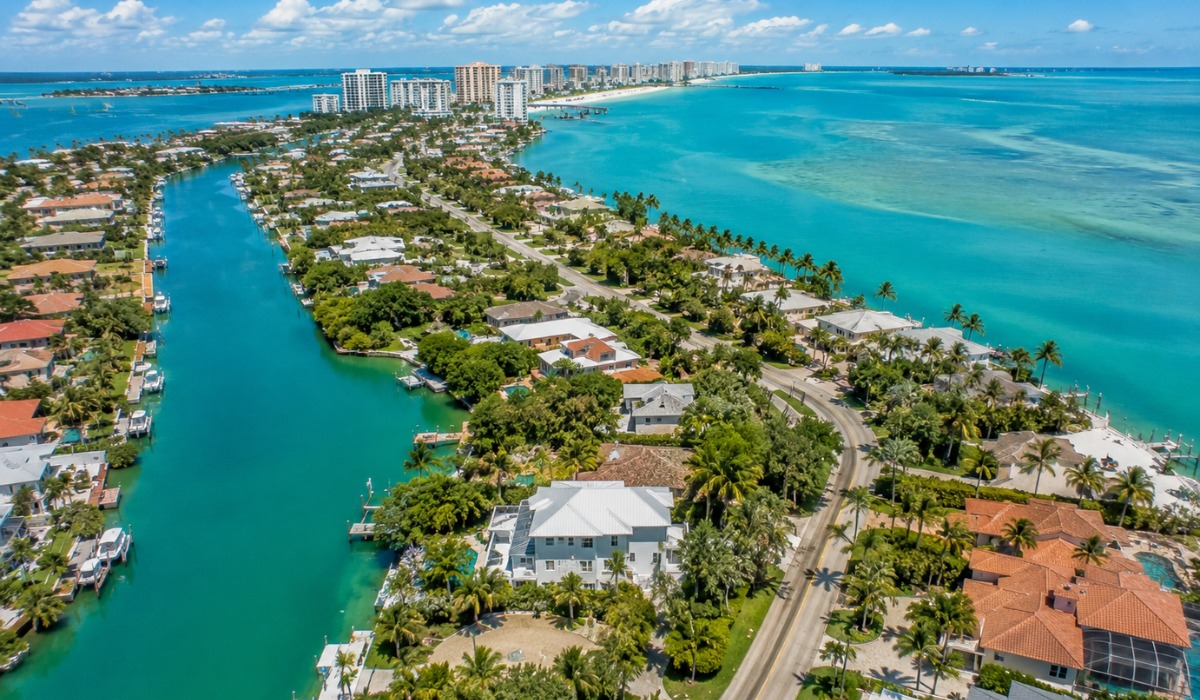
St. Pete Beach sits on Florida’s Gulf Coast and enjoys some of the most consistently sunny weather in the continental United States. Understanding St Pete Beach weather by month helps you book smarter, pack correctly, and choose timing that matches your priorities. Whether you prioritize warm water, lighter crowds, or lower rates, seasonal knowledge transforms your trip.
St Pete Beach Weather by Month: How Florida’s Gulf Coast Climate Works
St. Pete Beach sits along the Gulf of Mexico in Pinellas County, Florida. The region operates on a two-season climate cycle. A dry season runs roughly November through April. A wet season spans May through October. Additionally, humidity, rainfall, and hurricane risk all escalate during the wet months. Meanwhile, winter months bring drier air and cooler temperatures that many visitors find ideal.
The Gulf of Mexico moderates temperature extremes in both directions. Water temperatures rarely drop below the mid-60s°F in winter. They typically climb into the upper 80s°F by late summer. That thermal buffer means nights stay warmer than inland Florida. However, it also means summer heat index values can feel oppressive, often exceeding 100°F during July and August afternoons.
According to the National Oceanic and Atmospheric Administration (NOAA), the St. Petersburg area receives annual rainfall averaging roughly 51 inches. Most of this falls between June and September in the form of intense afternoon thunderstorms rather than prolonged gray days.
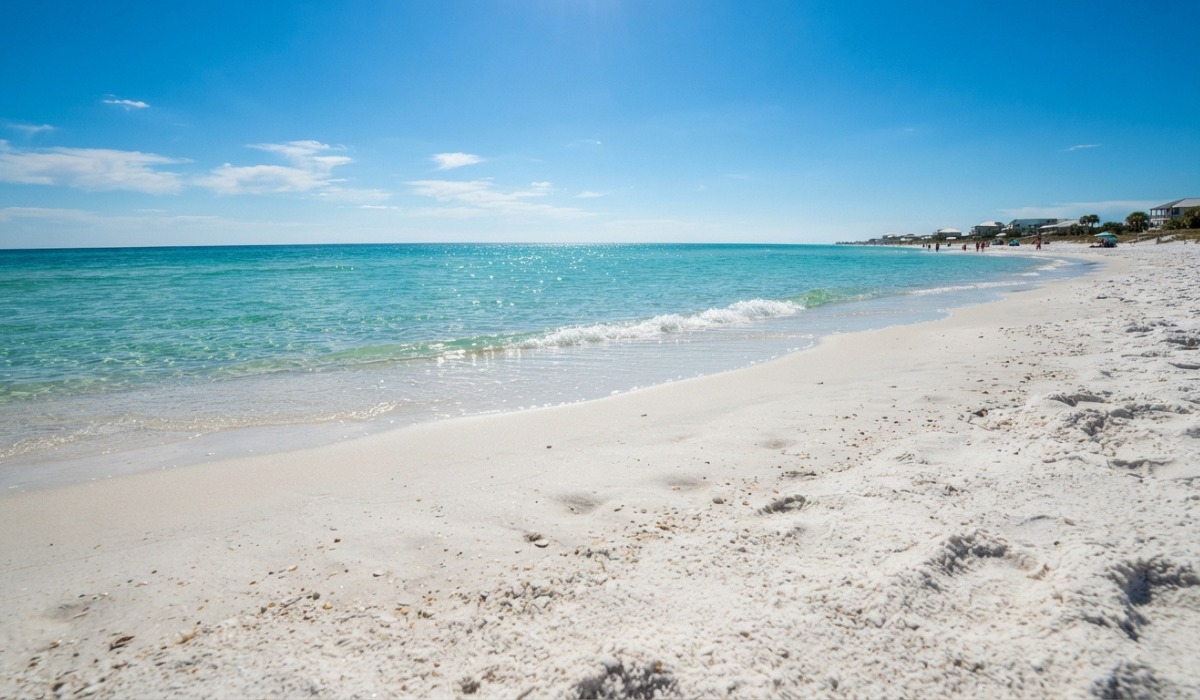
Month-by-Month St Pete Beach Weather by Month Breakdown
The table below summarizes average conditions for each month. NOAA published these figures based on long-term climate normals for the St. Petersburg/Clearwater area, the closest official weather station to St. Pete Beach.
| Month | Avg High (°F) | Avg Low (°F) | Avg Rainfall (in) | Humidity | Crowd Level |
|---|---|---|---|---|---|
| January | 70 | 52 | 2.3 | Low | High |
| February | 72 | 53 | 2.7 | Low | High |
| March | 77 | 58 | 3.1 | Low-Med | Very High |
| April | 82 | 63 | 1.9 | Medium | High |
| May | 88 | 68 | 3.3 | Med-High | Moderate |
| June | 91 | 74 | 6.6 | High | Moderate |
| July | 92 | 76 | 7.5 | Very High | Moderate |
| August | 92 | 76 | 7.9 | Very High | Low-Mod |
| September | 90 | 74 | 6.7 | High | Low |
| October | 84 | 66 | 2.4 | Medium | Low-Mod |
| November | 77 | 58 | 1.8 | Low-Med | Moderate |
| December | 71 | 53 | 2.1 | Low | High |
St Pete Beach Weather by Month: Winter Months December, January, February
Winter is peak season at St. Pete Beach, and for good reason. Daytime highs hover between 70°F and 72°F. Skies are predominantly clear. Rainfall reaches its lowest point of the year. Snowbirds from the Midwest and Northeast make up a large portion of winter visitors. They seek a climate that feels like mild spring compared to what they left behind.
January and February are among the most comfortable months to be outdoors. The Gulf water temperature drops to the mid-60s°F, which is cool for swimming but perfectly pleasant for walking the shoreline or sitting in the sun. Additionally, expect higher accommodation rates and fuller calendars throughout the winter window.
February visits deserve special note. The tampa bay rays spring training where to stay in st pete beach guides offer useful resources for finding accommodations. Spring training season begins in mid-February at Tropicana Field in St. Petersburg.
St Pete Beach Weather by Month: Spring March and April
March is arguably the busiest month of the year at St. Pete Beach. Spring break traffic from colleges and families packs the area. Temperatures rise into the upper 70s°F. Gulf water warms to a more inviting 70°F-plus range. April follows with slightly higher temperatures. Rainfall stays lower than any other month, averaging under 2 inches. Crowds begin to thin as school calendars tighten.
Both months sit in the dry season. Therefore, reliable sunshine and low humidity characterize the entire period. April in particular offers a sweet spot: warm enough for beach days, dry, and moderately less crowded than March. Rates often stay elevated through early April before softening slightly.

St Pete Beach Weather by Month: Late Spring to Early Summer May and June
May marks the transition into the wet season. However, rainfall remains manageable at around 3 inches for the month. Temperatures climb into the upper 80s°F. Humidity becomes noticeably thicker. Gulf water reaches the mid-70s°F by late May, making it ideal for swimming.
June accelerates the pattern. Afternoon thunderstorms become a near-daily occurrence, typically developing between 2 PM and 5 PM before clearing by evening. This rhythm proves predictable enough that experienced visitors plan morning beach time. They reserve afternoons for indoor activities or dining. Crowds are moderate. Rates tend to be lower than peak winter or spring prices, which makes June a reasonable value window if you can work around the afternoon storms.
St Pete Beach Weather by Month: Peak Summer July and August
July and August represent the hottest and wettest period of the year. Average highs sit at 92°F. Heat index values routinely climb above 100°F during afternoon hours. Monthly rainfall peaks at nearly 8 inches in August. Hurricane season runs officially from June 1 through November 30. The National Hurricane Center confirms that peak statistical risk occurs in August and September.
Despite the heat, families with school-age children often have no other option during these months. Moreover, Gulf water temperatures reach their warmest point—around 85°F-88°F—which many swimmers love. The key is adjusting your schedule. Early mornings on the beach work best. Shade and air conditioning through the heat of the day is essential. Evenings outdoors work once the sun drops.
For families considering this time of year, st pete beach vacation rentals with private pool provides an alternative to battling the public beach during peak heat hours. You gain access to water without commuting through the midday sun.
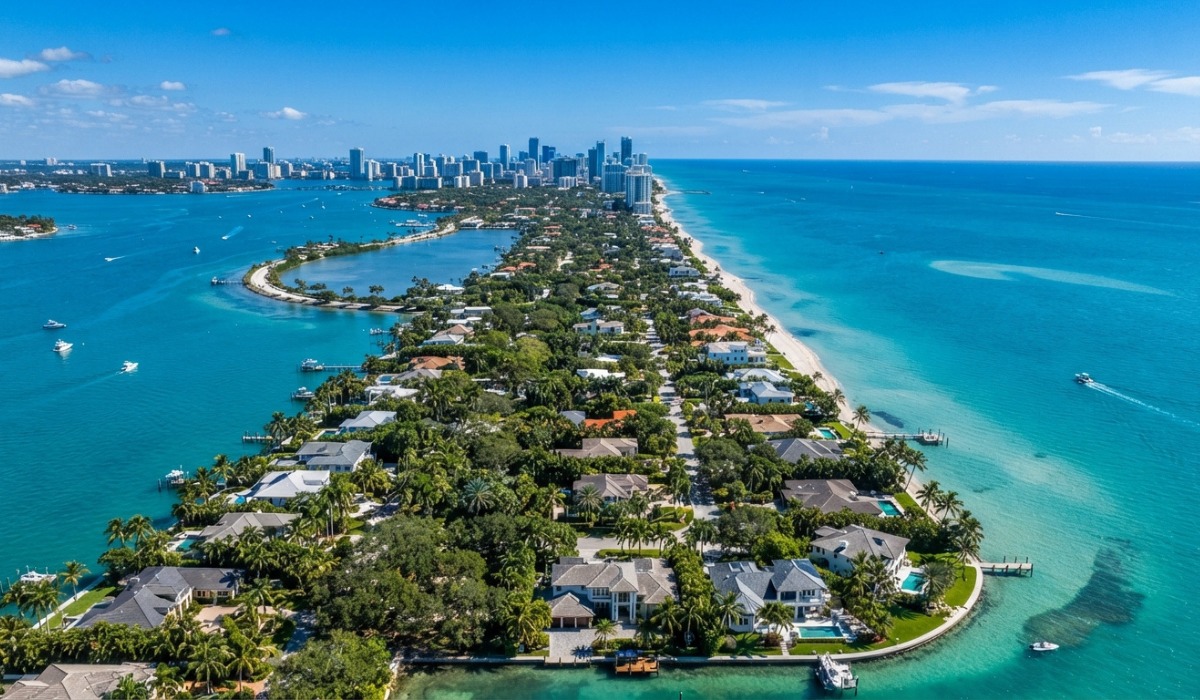
St Pete Beach Weather by Month: Fall September and October
September is the softest month for crowds and often the most overlooked. Temperatures remain in the low 90s°F. Humidity stays high. However, visitors who arrive in late September or early October frequently find uncrowded beaches. Significantly lower rates abound. Gulf water remains very warm from a summer’s worth of solar absorption.
October ranks widely among Florida regulars as one of the most pleasant months to visit. Temperatures drop to the mid-80s°F. Rainfall falls sharply to around 2.4 inches. Humidity eases. Gulf conditions remain warm and calm. The dry season begins to reassert itself. Crowds thin considerably. The area feels unhurried in a way that peak season never does.
For visitors who prioritize a relaxed, quiet atmosphere over organized social calendars, isla del sol vacation rentals quiet getaway captures exactly the kind of experience October and November can deliver in this part of Florida.
St Pete Beach Weather by Month: Early Winter November and December
November is a transitional month. Early November still carries some summer humidity and occasional storms. However, by mid-month the dry season takes hold and conditions shift noticeably. Highs fall to the upper 70s°F. Evenings become genuinely cool. The pace of the area slows before the December snowbird influx arrives.
December brings the start of peak season pricing alongside some of the best weather of the year. Clear skies and low humidity characterize the month. Daytime temperatures in the low 70s°F create ideal conditions for outdoor activities, walking trails, waterside dining, and day trips to nearby attractions. The Gulf cools to the mid-60s°F, which discourages casual swimming but does not dampen outdoor appeal.
What St Pete Beach Weather by Month Means for Where You Stay
Understanding the seasonal pattern directly affects lodging decisions. During winter and spring, proximity to St. Pete Beach matters significantly. Demand runs high and mobility between areas is easier than managing beach logistics during a summer afternoon storm. During the summer, having a community pool close by adds real daily value.
The three units managed by Isla Bliss at Vista Verde East on Isla del Sol place guests a short five-minute drive from St. Pete Beach. They sit within a quieter residential neighborhood on the island. The units come with a beach gear package that includes chairs, towels, and umbrellas. This reduces friction of beach trips regardless of the season. Each unit is a 2-bedroom, 2-bathroom condo sleeping up to six guests. They’re practical for families and friend groups.
Understanding why stay in isla del sol near st pete beach becomes especially relevant when you factor in seasonal St Pete Beach weather by month patterns and advantages of staying on a quieter island location.
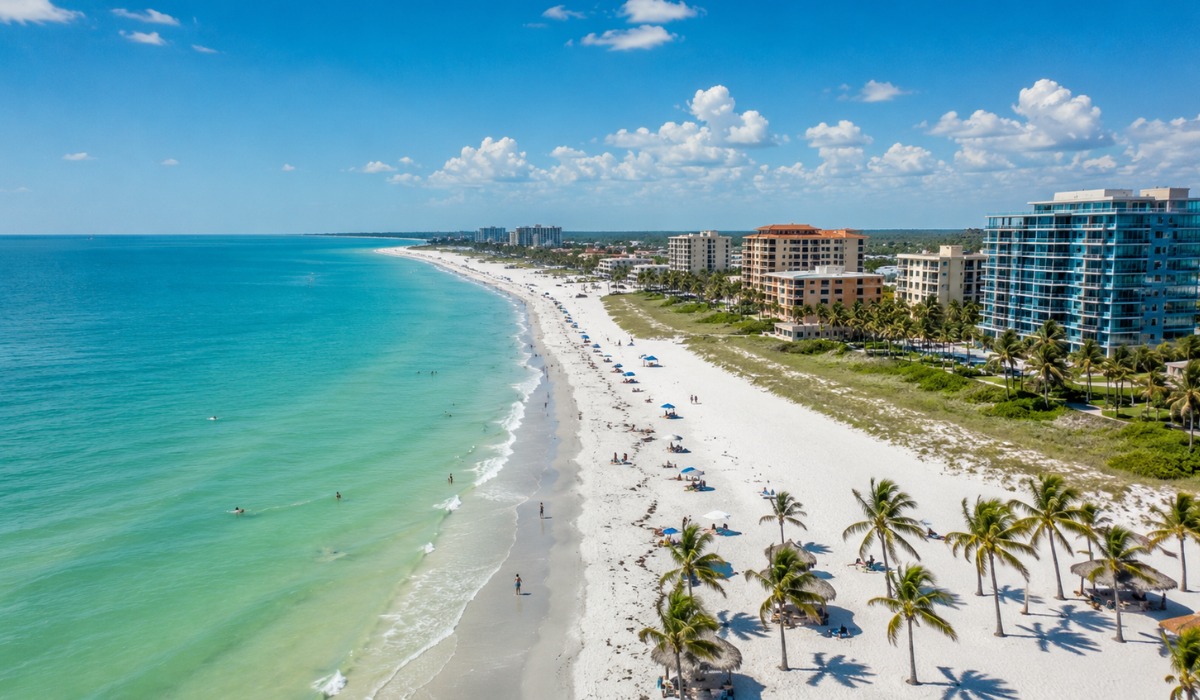
Choosing Your St Pete Beach Weather by Month Based on Priorities
Different travel priorities align with different months. The table below maps traveler goals to the months that best serve them.
| Priority | Best Months |
|---|---|
| Coolest, driest weather | January, February, April |
| Warmest Gulf water | July, August, September |
| Lowest crowds | September, October, early November |
| Best value rates | September, October, May |
| Spring break energy | March |
| Baseball spring training | February, March |
| Balanced weather and crowds | April, November |
No single month is universally best. Your ideal timing depends entirely on what you want from the trip. Families pulling kids from school may not have flexibility. Snowbirds staying multiple weeks often prefer January or February for sustained comfort. Those chasing value with flexibility will consistently find September and October hardest to beat.
The Bottom Line on St Pete Beach Weather by Month
St Pete Beach weather by month follows a predictable cycle once you understand the dry-season and wet-season split. Winter and spring deliver the driest and most consistently pleasant conditions, with peak demand and rates to match. Summer brings warmth, storms, and heat that reward schedule flexibility. Fall, especially October, quietly delivers some of the best conditions of the year with a fraction of the crowds.
Whatever month you are considering, knowing the seasonal pattern lets you arrive prepared. Plan your days effectively. Get the most out of the Gulf Coast. Use the monthly breakdown above as your baseline. Check NOAA’s Climate Data Online portal for specific historical data for St. Petersburg. Book your accommodations early for any winter or spring dates.
Things to Know
- The dry season (November through April) is not entirely rain-free. Brief passing showers can occur any month of the year in Florida. The difference in winter is that sustained multi-day rain events are rare.
- Gulf water temperature and air temperature do not peak at the same time. Air temperatures are highest in July and August. However, Gulf water holds its warmth into September and even early October, making fall swimming genuinely comfortable.
- Hurricane season officially runs June 1 through November 30. The statistical peak occurs around early-to-mid September. Purchasing travel insurance that covers weather disruptions is a practical step for any summer or early fall booking in the Gulf Coast region.
- Spring break crowds at St. Pete Beach are not limited to a single week. The peak stretches across most of March as different school districts and universities stagger their breaks. Therefore, the entire month tends to feel busy.
- Isla del Sol, where Isla Bliss properties sit, lies between Boca Ciega Bay and the Gulf Coast. This position means guests experience the moderating effect of surrounding water on both sides. Evenings might feel slightly cooler in winter and mornings slightly more humid in summer compared to inland areas.
- Early morning represents the most reliable window for beach time in summer months. Afternoon thunderstorms typically build between 2 PM and 5 PM. Planning beach outings before noon and returning by early afternoon keeps you comfortably ahead of the weather pattern.
Key Takeaways
- St. Pete Beach operates on a two-season climate: a dry season from November through April and a wet season from May through October. Understanding that split shapes every smart travel decision.
- Winter months (December through February) offer the driest weather and most comfortable daytime temperatures. However, they also bring peak crowds and peak pricing.
- October is one of the most underrated months to visit. Rainfall drops sharply. Temperatures ease into the mid-80s°F. Gulf water stays warm from summer. Crowds are thin.
- Summer heat index values regularly exceed 100°F in July and August. Pool access and early-morning beach scheduling become practical necessities rather than conveniences.
- Beach gear (chairs, towels, and umbrellas) is included with Isla Bliss units at Vista Verde East. This reduces logistical friction for beach trips regardless of the season you visit.
- No single month is objectively best for every traveler. Your ideal timing depends on your tolerance for heat and crowds, your budget, and your schedule flexibility.
Book Your Isla del Sol Stay Before Your Preferred St Pete Beach Weather by Month Season Sells Out
Peak winter and spring dates at St. Pete Beach fill well in advance. The best-value shoulder-season windows in October and early November go quickly once travelers catch on. Isla Bliss manages three 2-bedroom, 2-bathroom condo units at Vista Verde East on Isla del Sol. Each sleeps up to six guests with a beach gear package and shared community pool included. Book directly through Isla Bliss to secure your dates. Skip the third-party fees. Get accurate answers about which unit fits your group.
Visit isladelsolfloridarentals.com today and check availability for the month that works best for your trip.
Frequently Asked Questions
Q: What is the best month to visit St. Pete Beach for warm weather without extreme humidity?
A: April is widely considered the best single month for warm, dry, low-humidity conditions at St. Pete Beach.
April sits at the tail end of the dry season. Average highs reach the low 80s°F. Monthly rainfall stays the lowest of the year at under 2 inches on average. Gulf water has warmed enough for comfortable swimming. Crowds begin to ease after the spring break peak in March. Additionally, the oppressive summer humidity has not yet arrived. It is a strong choice for first-time visitors or anyone who wants the full Florida experience without the weather extremes.
Q: Is St. Pete Beach safe to visit during hurricane season?
A: Visiting St. Pete Beach during hurricane season carries a real but statistically manageable risk, provided you plan appropriately.
Hurricane season runs from June 1 through November 30. The National Hurricane Center confirms the highest statistical risk occurs from mid-August through mid-October. The majority of summer and fall trips proceed without any tropical weather interference. However, conditions can change quickly. Travel insurance that covers trip cancellation and interruption due to named storms is strongly recommended for any Gulf Coast booking in this window. Monitor NOAA’s National Hurricane Center (nhc.noaa.gov) in the days leading up to your arrival. Follow local emergency management guidance if a storm develops.
Q: How warm is the Gulf water at St. Pete Beach in winter?
A: Gulf water temperatures near St. Pete Beach drop to the mid-60s°F in January and February, which is cool for swimming but mild compared to Atlantic coast destinations at the same time of year.
The Gulf of Mexico retains heat more effectively than the open Atlantic. Winter water temperatures stay several degrees warmer than you might expect from a Florida beach in January. Most casual swimmers find mid-60s°F water chilly. However, it is not unusual to see hardy visitors wading in. By March and April, temperatures climb back toward 70°F and swimming becomes comfortable again for most visitors.
Q: What should I pack for a summer trip to St. Pete Beach?
A: For a summer visit, prioritize sun protection, lightweight clothing, and a flexible daily schedule that accounts for afternoon thunderstorms.
High-SPF sunscreen, UV-protective clothing, and a quality wide-brim hat are non-negotiable in July and August when heat index values regularly exceed 100°F. Bring a light rain jacket or packable umbrella for the afternoon storm window, typically 2 PM to 5 PM. Plan your beach time for mornings. If your accommodations include a pool, as Isla Bliss units at Vista Verde East do, afternoon pool time serves as a practical and comfortable bridge. This spans between the morning beach session and the cooler evening hours.
Q: Is October a good time to visit St. Pete Beach, and how does it compare to January?
A: October offers thinner crowds, lower rates, and still-warm Gulf water, while January delivers drier air and cooler temperatures preferred by snowbirds seeking relief from northern winters.
October and January both have strong cases depending on your priorities. October averages around 2.4 inches of rainfall. Temperatures stay in the mid-80s°F. Gulf water remains warm from the summer months, often in the low-to-mid 80s°F. January is cooler with low 70s°F highs. It is drier and less humid, which many visitors find more comfortable for outdoor activity. January also comes with peak-season pricing and busier beaches. October is the better value month. January is the better choice for those who want classic dry-season Florida weather and do not mind the crowds.
Where to Go From Here With St Pete Beach Weather by Month
Knowing the seasonal rhythm of St Pete Beach weather by month puts you well ahead of most visitors who book without considering climate timing. Whether you are targeting the reliable sunshine of February, the quiet warmth of October, or any month in between, the conditions at St. Pete Beach are manageable and often genuinely excellent when you arrive prepared.
Your next step is simple: match your preferred month to your travel priorities using the breakdown in this article. Then lock in your dates before availability tightens. Isla Bliss units at Vista Verde East on Isla del Sol book on a direct basis. This means no platform markups and straightforward communication about what each unit includes. Head to isladelsolfloridarentals.com to check availability and secure the dates that work for your group.