
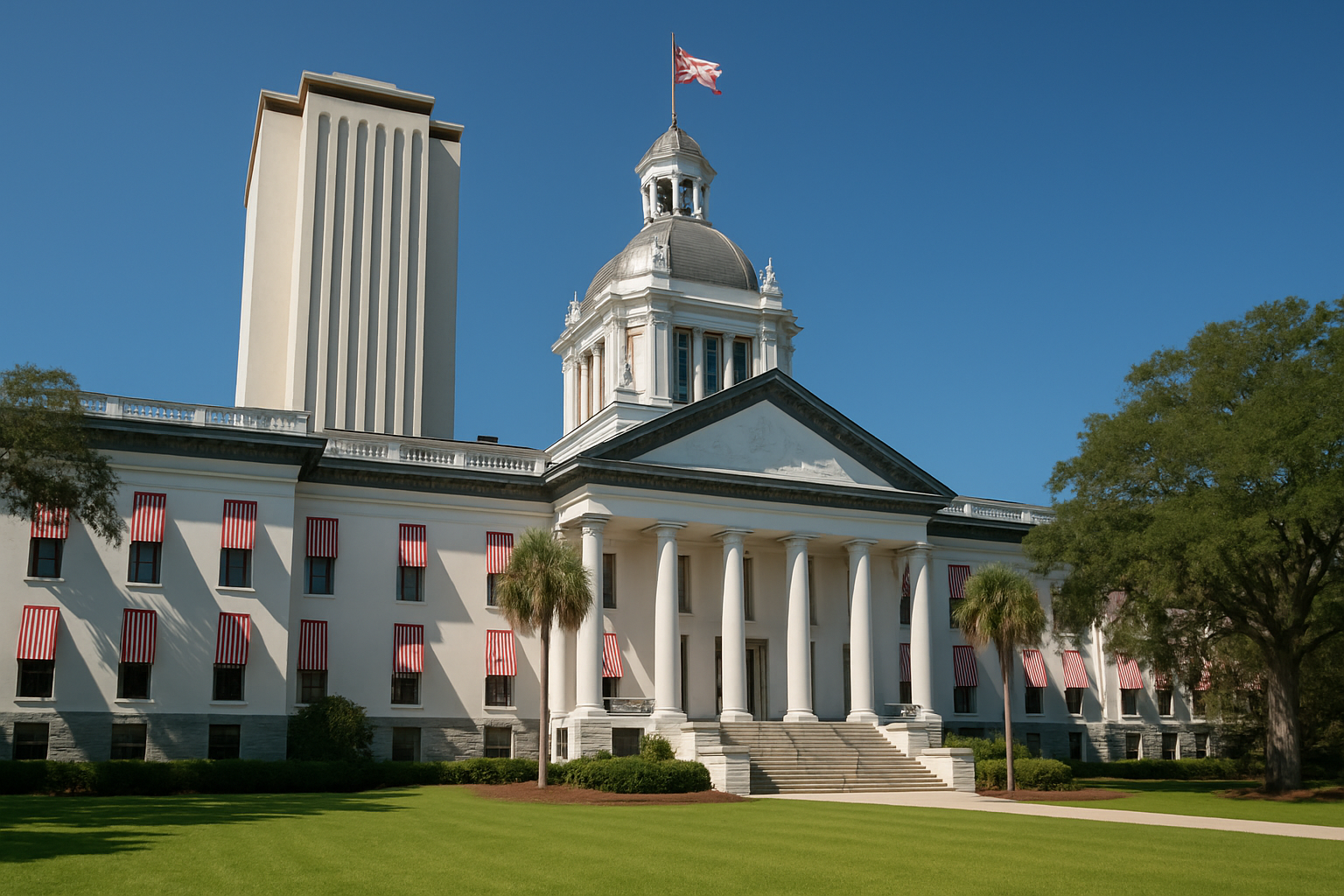
Florida’s short-term rental market operates under a layered system of state requirements, county rules, and municipal ordinances that can vary significantly from one zip code to the next. Understanding short term rental regulations Florida hosts and guests face is essential before you list a property, sign a lease, or book a vacation stay. This guide walks you through every requirement.
Table of Contents
- Why Short Term Rental Regulations Florida Are Particularly Complex
- State-Level Requirements Every Host Must Meet
- Local Short Term Rental Regulations Florida: County and City Rules
- Tax Obligations for Florida Short-Term Rentals
- Market Performance and Why Compliance Matters
- Things to Know
Key Takeaways
- Florida STR hosts must register with the state and comply with county and city rules that can differ sharply from state minimums.
- Senate Bill 280, which would have limited local government authority over STRs, was vetoed by Governor Ron DeSantis in 2024, leaving local oversight intact.
- All short-term rental income in Florida is subject to a 6% state sales tax, plus applicable county tourist development taxes.
- Pinellas County now requires a Certificate of Use and a property inspection every two years for STR operators.
- Tampa, Orlando, and Jacksonville ranked as the top three STR markets in the United States, according to a 2024 Clever Real Estate analysis.
- Guests should verify that any rental they book holds valid local permits before paying a deposit.
Why Short Term Rental Regulations Florida Are Particularly Complex
Florida drew roughly 143 million visitors in 2024, making it one of the most tourism-dependent states in the country. That volume of demand has pushed short-term rental supply to extraordinary levels. Regulators have responded accordingly with stricter oversight.
What makes compliance genuinely difficult is the dual-track system. The state sets a baseline, but counties and municipalities retain the authority to impose stricter requirements on top of it. A property on the best florida beach towns for snowbirds list might face entirely different rules than a property two miles inland in the same metro area.
The clearest signal of how contested this space has become was the fate of Senate Bill 280 in 2024. The bill passed both chambers of the Florida Legislature and would have centralized vacation rental regulation through the Department of Business and Professional Regulation (DBPR). It would have significantly limited local government authority. However, Governor Ron DeSantis vetoed it, preserving local control and reinforcing the patchwork nature of Florida’s regulatory landscape. According to Florida Airbnb Laws in 2026 reporting from Lodgify, this decision shaped the entire compliance landscape for 2025 and beyond.
State-Level Requirements Every Host Must Meet
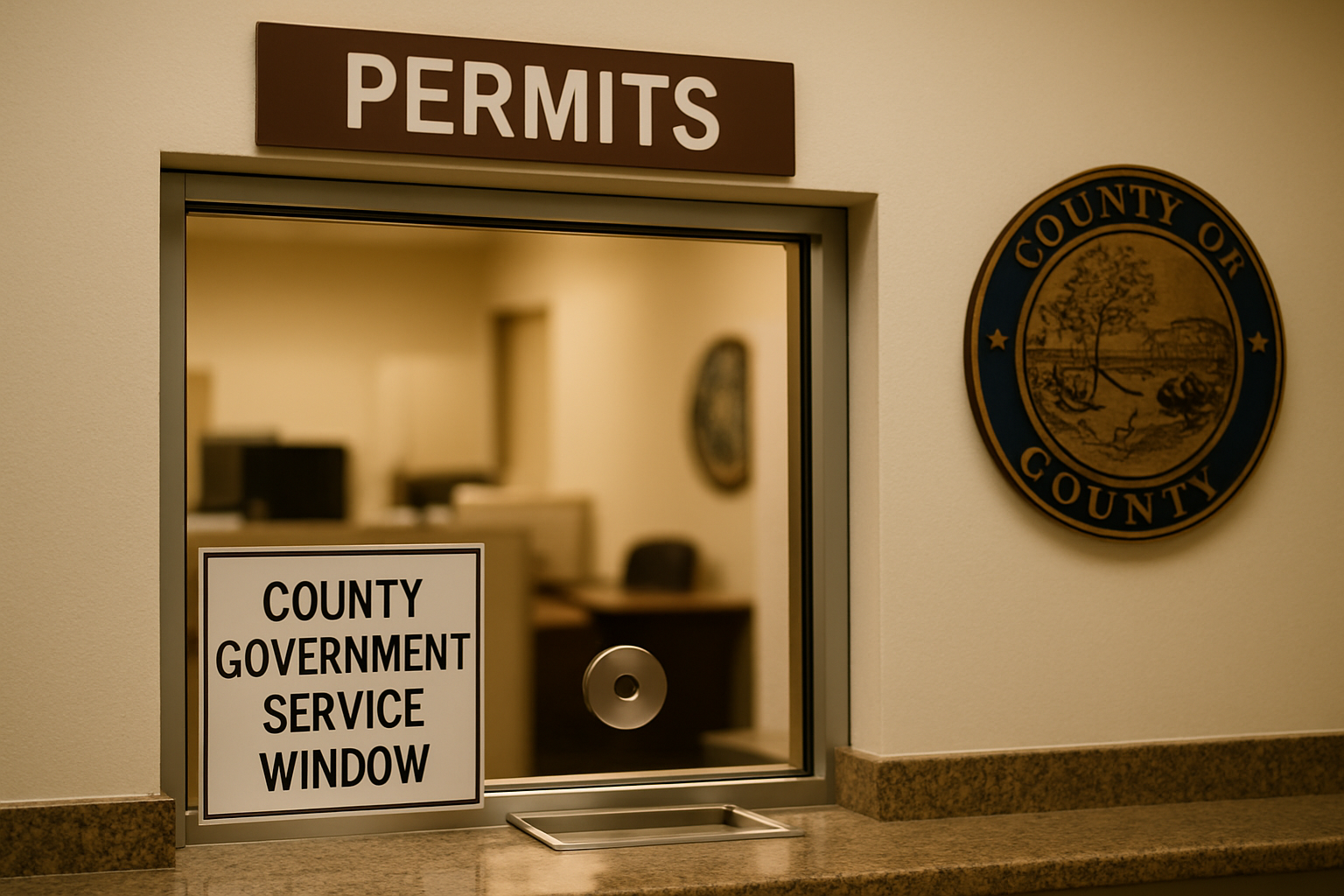
At the state level, the classification rules are straightforward. Any property rented for periods of fewer than 30 days more than three times in a calendar year is classified as a vacation rental under Florida Statute 509. That classification triggers several mandatory requirements.
Key state-level obligations:
- Register with the DBPR as a vacation rental and obtain a license before accepting your first booking.
- Meet minimum health and safety standards set by the DBPR, including pool safety barriers if applicable.
- Display the license number in all advertisements, including listings on Airbnb, Vrbo, and direct-booking platforms.
- Renew your license annually and comply with any inspection requirements tied to renewal.
Hosts who skip this registration face fines and potential forced removal of their listings from booking platforms. Additionally, the state can pursue enforcement action. For a thorough walkthrough of the licensing process, Florida short-term rental laws: 2026 guide for hosts from Minut provides a useful breakdown.
Local Short Term Rental Regulations Florida: County and City Rules
Because the state sets only a floor, local governments have used that authority aggressively. This is where hosts face the most variability and the highest risk of non-compliance.
Pinellas County offers one of the most concrete recent examples. In March 2025, Pinellas County updated its short-term rental rules with the stated aim of preserving quality of life in residential neighborhoods. Under the revised rules, STR operators must obtain a Certificate of Use from the county. Furthermore, they must undergo a property inspection every two years. According to local enforcement reporting from Avalara, compliance rates improved significantly after these changes took effect.
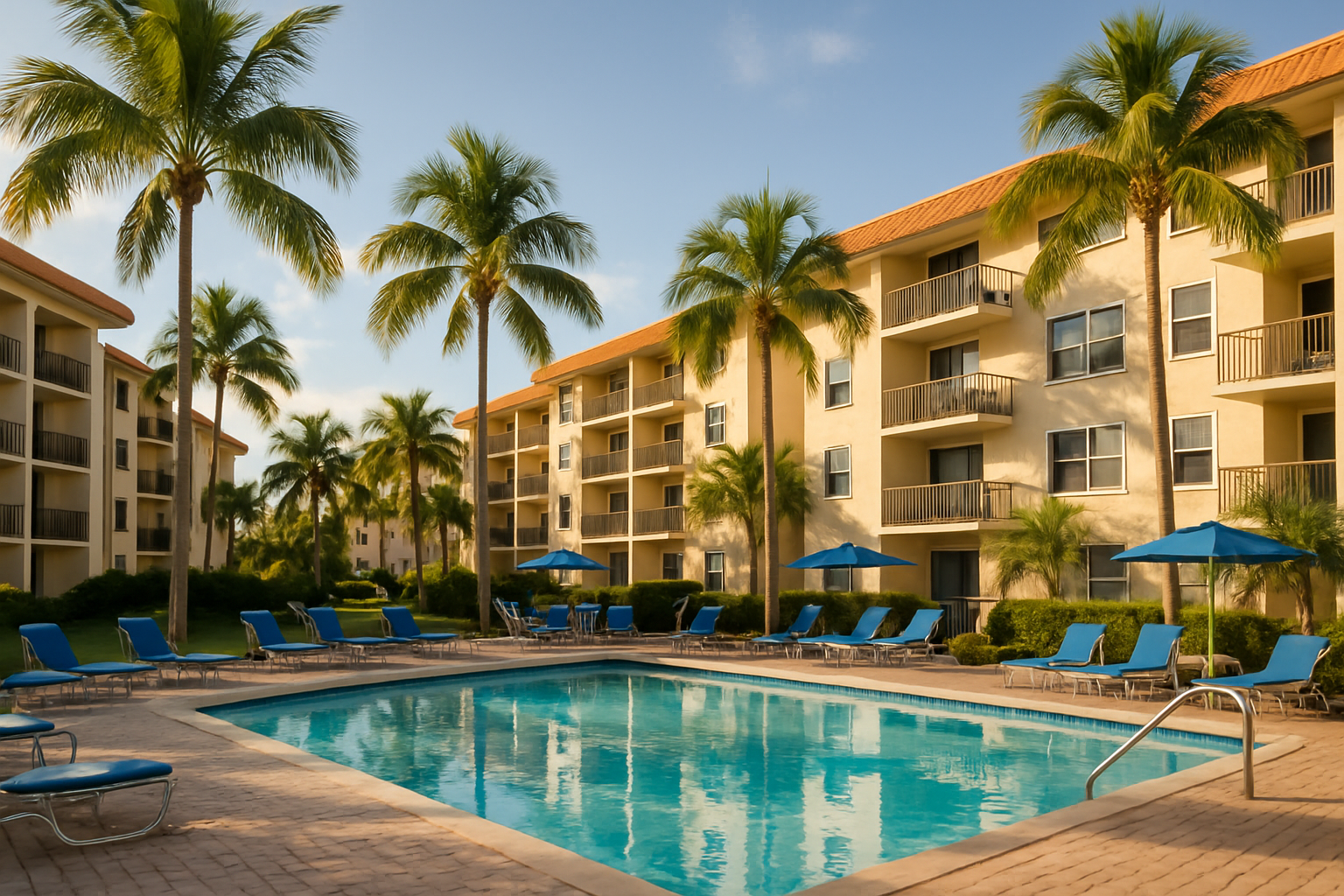
For context, Isla del Sol sits within St. Petersburg in Pinellas County. Vacation rental properties like the units managed by Isla Bliss at Vista Verde East on Isla del Sol operate within this exact regulatory environment. Guests booking a vacation rental with private pool florida stay in this area. They should ask hosts directly about permit status before committing to a reservation.
Supply figures underscore just how rapidly the market is expanding. According to StaySTRA 2026 data, Tampa’s short-term rental supply grew 77% over the past year. Kissimmee’s supply grew 106% in the same period. With more listings entering the market, code enforcement activity has increased in parallel. Therefore, hosts cannot afford to ignore local requirements.
Tax Obligations for Florida Short-Term Rentals
Taxes represent a critical layer that both hosts and guests often underestimate. Florida imposes a 6% state sales tax on transient rental income, which applies to any stay of six months or fewer. This applies to every short-term rental in the state, regardless of where it is located.
Additionally, most counties levy a tourist development tax, also called a bed tax. Pinellas County’s tourist development tax adds to the host’s total remittance burden. Hosts must register separately with the Florida Department of Revenue to collect and remit these taxes. Skipping this step creates serious liability.
Tax layers Florida STR hosts typically owe:
| Tax Type | Rate | Administered By |
|---|---|---|
| State sales tax | 6% | Florida Dept. of Revenue |
| County tourist development tax | Varies by county | County Tax Collector |
| Municipal tax (where applicable) | Varies | City/Town authority |
Platforms like Airbnb collect and remit some of these taxes automatically in Florida. However, direct-booking hosts are responsible for managing collection and remittance themselves. Non-compliance can trigger back-tax liability, interest, and penalties.
Market Performance and Why Compliance Matters
There is a practical reason to care about compliance beyond avoiding fines. Markets with clear, enforced rules tend to attract higher-value guests who plan longer trips. According to Clever Real Estate’s 2024 analysis, Tampa, Orlando, and Jacksonville ranked as the number one, two, and three short-term rental markets in the United States. Stable regulatory environments relative to other major metros contributed significantly to this ranking.
Occupancy data from StaySTRA shows that Fort Myers Beach gained 28.0% in occupancy year-over-year in 2026. Occupancy moved from 55.1% to 70.5% across 2,098 listings. Miami gained 17.2% year-over-year occupancy in the same period. These recovery figures stand out against a national backdrop where overall STR occupancy is down 13% year-over-year in 2026.
Guests planning florida gulf coast winter vacation rentals should factor in both market conditions and permit verification when selecting a property. A fully compliant property in a well-regulated area typically signals a more professionally managed experience. Moreover, these properties often deliver better guest experiences overall.
Families and snowbird groups specifically looking for areas near calm water should also research best florida beach for calm water swimming options when planning where to stay.
Things to Know
- Senate Bill 280’s veto means local governments retain authority to restrict STRs in residential zones, which can change quickly with new ordinances.
- Renting without a valid DBPR license is a second-degree misdemeanor under Florida law, not just a civil matter.
- Guests have recourse if a rental is found to be unlicensed. Florida law allows them to cancel and seek refunds in certain circumstances.
- Airbnb reported that summer bookings for Florida listings with pools rose 35% between 2024 and 2025, indicating strong guest demand for specific amenity types.
- Some HOA covenants within condominium communities can prohibit short-term rentals entirely, even where local ordinances permit them. Always check the specific property’s governing documents.
Take Control of Your Florida STR Booking Today
Whether you are a host trying to stay compliant or a guest looking for a properly permitted, well-managed property, doing your homework upfront saves significant frustration. Book a stay at Isla Bliss at Vista Verde East on Isla del Sol and experience what transparent, professionally managed short-term rental hospitality looks like in practice. All units are 2BR/2BA, sleep up to six guests, and include community pool and hot tub access plus a full beach gear package. Reserve your dates now and arrive knowing every regulatory box has already been checked.
Frequently Asked Questions
Q: Do Florida short-term rental hosts need a state license?
Yes, any property rented for periods under 30 days more than three times per calendar year must hold a DBPR vacation rental license. The license must be obtained before the first booking and renewed annually. Additionally, it must be displayed in all advertising, including online platform listings.
Q: Can Florida cities ban short-term rentals entirely?
Local governments cannot outright ban STRs established before 2011, but they can regulate them significantly. Following the veto of Senate Bill 280, local ordinances on density, parking, noise, and permitting remain fully enforceable. However, some municipalities have effectively restricted new STRs through zoning rules. Existing, grandfathered properties retain certain protections.
Q: What taxes does a Florida short-term rental guest pay?
Guests typically pay the 6% state sales tax plus applicable county tourist development taxes on top of the listed nightly rate. These amounts are usually displayed during checkout on booking platforms. When booking directly through a host, confirm that the quoted rate includes all applicable taxes.
Q: How does Pinellas County’s 2025 rule change affect renters?
Hosts in Pinellas County must now hold a Certificate of Use and pass a property inspection every two years. This means guests booking in areas like St. Petersburg or Isla del Sol can request documentation of the host’s Certificate of Use as proof of compliance before paying.
Q: What happens if I book an unlicensed short-term rental in Florida?
You may have limited legal recourse and no assurance of safety inspections or habitability standards. Florida law provides some consumer protections, but enforcement can be slow. The safest approach is to ask hosts for their DBPR license number and verify it through the state’s online lookup tool before completing payment.
The Bottom Line on Short Term Rental Regulations Florida
Short term rental regulations Florida hosts and guests face in 2026 are more granular and more actively enforced than they were even two years ago. State licensing is non-negotiable, local rules add layers on top, and tax compliance is a separate obligation entirely. For guests, the simplest protection is to book with operators who can demonstrate full compliance. For hosts, staying current with county-specific updates is the difference between a profitable listing and a costly violation. Take the time to verify before you book or list.