

Understanding Florida snowbird season dates is essential for planning your winter escape. The season typically spans from October through April, with the busiest stretch running from November through March. If you are planning a winter vacation or a longer seasonal stay along Florida’s Gulf Coast, knowing exactly when the crowds arrive and when they thin out makes a real difference in cost, availability, and overall experience.
Table of Contents
- When Florida Snowbird Season Dates Start and End
- How Many Snowbirds Come to Florida Each Year
- What Florida Snowbird Season Dates Mean for Vacation Rental Availability
- Month-by-Month Breakdown of Florida Snowbird Season Dates
- Things to Know
When Florida Snowbird Season Dates Start and End
Snowbird season in Florida does not flip on like a light switch. According to FloridaforBoomers.com, the season kicks off at the beginning of October. Seasonal residents continue to trickle in through the end of the holiday season. The true peak runs from November through April.
Most snowbirds head back home during April and May as temperatures in northern states become more manageable. October arrivals tend to be retirees or semi-retired travelers who have the flexibility to leave early. They beat both the crowds and the higher peak-season pricing.
By mid-November, demand along the Gulf Coast accelerates noticeably. Additionally, rentals that were available in September are booked solid by Thanksgiving. Rates reflect that shift immediately. April represents the transition point where you can find the best beach in st petersburg florida without the peak-season crowds.
However, some snowbirds extend through early May if spring is slow to arrive up north. The majority of seasonal residents depart by late April. For short-stay vacationers, this window between mid-April and mid-May offers a surprisingly good combination of warm weather and reduced competition for rentals.
How Many Snowbirds Come to Florida Each Year
The scale of seasonal migration to Florida is substantial, though estimates vary. According to Florida Realty Marketplace (2026), more than 810,000 seasonal travelers flock to Florida annually to escape the cold. Other estimates suggest the number reaches closer to one million or more.
Additionally, Florida’s population grows by as much as 5% during the snowbird-friendly winter months. The economic footprint is significant. Snowbirds contributed over $95 billion to Florida’s economy in 2019.
Furthermore, they helped support more than 1.6 million jobs according to industry research. Individual spending is also notable. Each snowbird spends between $10,000 and $21,000 during their Florida stay, covering housing, dining, healthcare, retail, and recreation.
A 2024 study published in the Journal of Hospitality and Tourism Insights (Chaulagain et al.) examined factors influencing snowbirds’ permanent relocation intentions. The researchers used data from 304 snowbirds. They found that awareness and satisfaction with Florida’s image were key factors. This suggests positive short-stay experiences often lead to longer-term commitments.
Meanwhile, a 2024 Federal Reserve Bank of San Francisco study titled “Snow Belt to Sun Belt Migration, End of an Era?” examined population trends in counties experiencing extreme weather. It raised questions about whether climate shifts may eventually alter long-standing migration patterns.
What Florida Snowbird Season Dates Mean for Vacation Rental Availability

If you are booking a short-stay vacation rental in the St. Pete Beach area, Florida snowbird season dates are the single most important factor. They affect both availability and pricing directly. Snowbirds typically book monthly or multi-week stays.
They take large inventory blocks off the market early, often by September for the following winter season. Short-stay travelers visiting for one week or less compete for whatever remains. Monthly renters have already claimed their units.
This is especially true in popular Gulf Coast neighborhoods like Isla del Sol. This residential barrier island community sits in St. Petersburg, positioned between Boca Ciega Bay and the Gulf. Properties like the condos managed through Isla Bliss at Vista Verde East suit families and groups of up to six guests well.
Therefore, these properties offer a comfortable base with tampa bay area beach rentals within easy reach of St. Pete Beach. Understanding the st pete beach weather by month helps you identify not just the weather, but also when demand spikes. It also shows when demand eases.
January and February represent the absolute peak for both temperature appeal and rental competition. If you plan to visit during those months, book three to four months in advance. This is a practical minimum.
Month-by-Month Breakdown of Florida Snowbird Season Dates
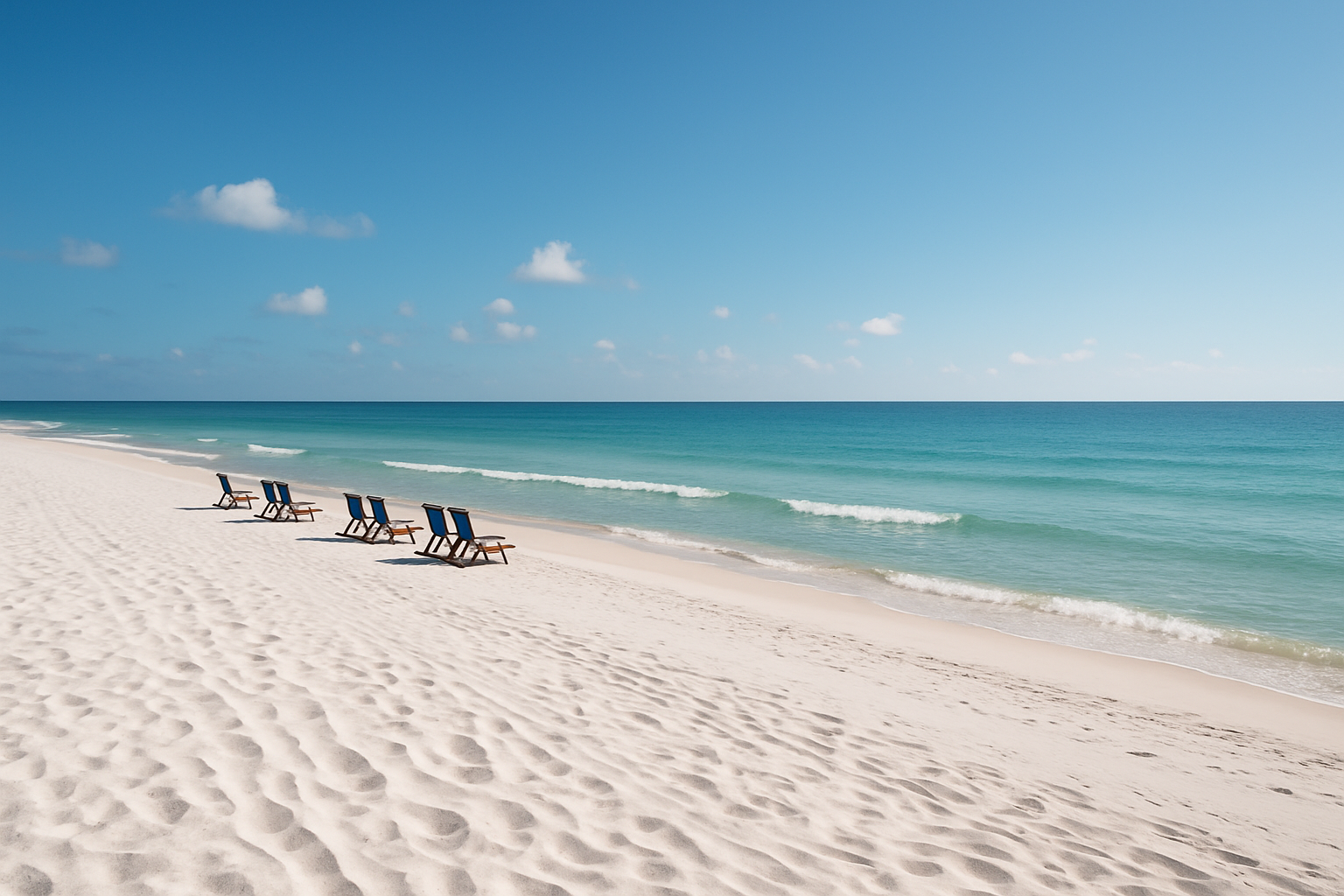
Here is a practical overview of how Florida snowbird season dates play out across the full October-to-April arc:
| Month | Season Status | Demand Level | Notes |
|---|---|---|---|
| October | Early season | Moderate | Prices lower, availability good |
| November | Ramp-up | High | Holiday travel compounds demand |
| December | Peak begins | Very High | Book well in advance |
| January | Full peak | Highest | Most competitive month for rentals |
| February | Full peak | Highest | Near-zero last-minute availability |
| March | Late peak | High | Spring breakers mix with snowbirds |
| April | Wind-down | Moderate | Good value window returns |
October and April bookends are worth highlighting for budget-conscious travelers. The florida beach vacation cost per week can vary by hundreds of dollars. The difference depends on whether you visit in February versus late April, even for the same property.
If your travel dates are flexible, target the first two weeks of October or the last two weeks of April. This strategy gives you Gulf Coast weather that is still warm. Additionally, you gain far less competition for units. You also receive noticeably better rates.
St. Pete Beach, located about five minutes from Isla del Sol, tends to be less crowded during those shoulder weeks. Therefore, if you are researching where to spend your time on the water, checking out options helps you decide. Consider parking, sand quality, and crowd density at different points in the season.
Things to Know
- Snowbirds often book monthly rentals 6 to 9 months in advance, meaning short-stay inventory disappears fast once peak season approaches.
- Florida’s snowbird population skews heavily toward retirees from the Midwest and Northeast, with Ohio, Michigan, New York, and Illinois among the most common origin states.
- Traffic on I-75, I-4, and U.S. 19 increases significantly during peak season, so budget extra travel time when driving around the Tampa Bay region from November through March.
- Many community pools, local restaurants, and public beach parking lots become noticeably busier from December through February. Early mornings are your best strategy for avoiding peak congestion.
- Not all properties welcome short-term guests during snowbird season. Verify minimum stay requirements and cancellation policies carefully before booking.
Lock In Your Isla del Sol Stay Before Peak Season Fills Up
Snowbird season compresses availability fast. Waiting until October to book a January stay is a gamble you will likely lose. Isla Bliss manages three 2-bedroom, 2-bath condo units at Vista Verde East on Isla del Sol. Each sleeps up to six guests, with a shared pool, hot tub, and a beach gear package included.
Book your winter stay directly and skip the third-party fees that inflate your total cost. Visit the Isla Bliss website today and check availability for your preferred travel window before peak inventory closes.
Frequently Asked Questions
Q: What are the exact start and end dates for Florida snowbird season?
Snowbird season in Florida generally runs from October through April, with peak activity concentrated between November and March. Arrivals begin in early October and taper through late May as northern climates warm up. There are no fixed calendar dates, but most seasonal residents are settled into their Florida accommodations by Thanksgiving. They depart by late April.
Q: Is February or January the busiest month during snowbird season in Florida?
Both January and February represent the absolute peak of Florida snowbird season, with nearly identical levels of demand and the tightest rental availability of the year. January tends to see strong arrivals from post-holiday travelers. February brings Super Bowl events and continued cold weather up north. Either month requires advance booking of at least 3 to 4 months.
Q: How does snowbird season affect rental prices in the St. Pete Beach area?
Rental rates in the St. Pete Beach area typically reach their highest point between December and March due to snowbird demand. This demand compresses available short-stay inventory. Properties that might rent for a reasonable nightly rate in September or May command significantly higher prices during peak months. Shoulder seasons in October and April offer better value without sacrificing the Gulf Coast weather that makes the area appealing.
Q: Do snowbirds stay for weeks or months at a time?
Most snowbirds rent for one to three months, though some stay for the full October-to-April arc if their housing situation allows. This multi-week rental pattern is why short-stay vacation inventory gets depleted so quickly. Monthly renters secure their units early, leaving fewer options for guests seeking stays of one week or less.
Q: Is the St. Pete Beach area a popular destination for snowbirds?
Yes, the St. Pete Beach and Isla del Sol area is a well-established snowbird destination because of its mild Gulf Coast winters, accessible beaches, and range of condo-style accommodations. The area sits within Pinellas County, which historically ranks among Florida’s top destinations for seasonal residents. Its combination of beach access, walkable commercial areas, and year-round dining and activity options makes it appealing.